Travel, Observation, and the Formation of an Analytical Perspective
How sustained travel across continents became a method of inquiry and shaped an analytical perspective grounded in direct observation.
Key observations
- Travel as observation—not tourism—provides insights into how societies function and adapt.
- Understanding how different cultures think and communicate shapes a deeper understanding of geopolitics.
- Understanding geopolitics requires direct observation and human connection across societies.
- Economic systems and institutions operate at human scale; understanding them requires understanding people.
- The world is more complex and resilient than any single narrative suggests.
From Translation to Analysis
My professional life began in languages, but languages were never the destination. They were an entry point into something larger: understanding how societies organize themselves, how institutions function, and how civilizations coexist on a shared planet.
Raised in France, I initially followed a scientific path before pivoting toward languages—English and Spanish first, then Russian, later Chinese studies alongside translation training. That shift did not represent a rejection of science but rather an expansion of curiosity: moving from equations toward human systems.
From the age of nineteen, travel became continuous and practical rather than merely a romantic aspiration. Summers were spent working abroad—first as a chambermaid in Edinburgh, Scotland; later operating a beach boardwalk arcade in California; working retail at the Statue of Liberty; working in pubs while studying in London through Erasmus; and completing translation training and a master’s degree in English while moving between France, New York, Madrid, the south of England and Montréal.
These were not journeys merely undertaken for leisure. They were early exercises in adaptation—learning how societies function from within everyday life. Translation offers professional mobility, but travel provides education.
Over time, sustained institutional translation sharpened a broader analytical attention to the ways institutions, economies, and cultures operate in practice.
Observation Rather Than Tourism
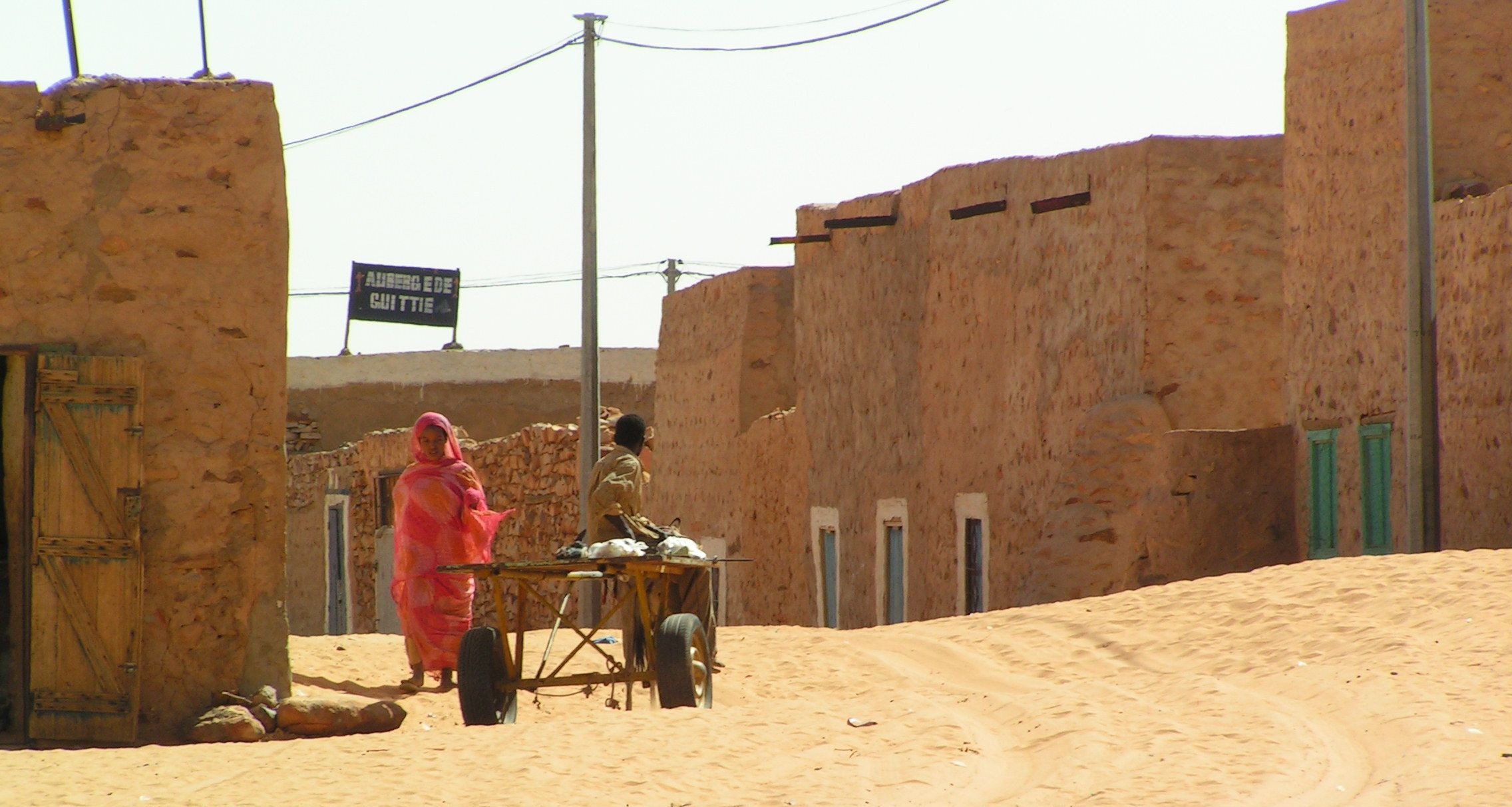
Travel, for me, was never primarily about destinations. It became a method of inquiry. Fluency in local languages was rarely the reality. Most encounters happened through rudimentary English, gestures, shared travel time, or simple acts of cooperation. Understanding emerged not from perfect conversation but from presence—observing infrastructure, public behaviour, institutional order, work routines, transport systems, and social tensions visible in everyday life.
Observation proved more revealing than dialogue. One learns quickly that societies communicate through patterns: transportation systems, housing forms, public space usage, attitudes toward authority, environmental stewardship, or economic improvisation. These elements reveal how communities adapt to geography, history, and technological change.
Travel became a form of informal field observation.
Early Professional Formation Across Continents
Europe provided the first comparative framework. Work in Dublin as a localization specialist at Microsoft exposed me to globalization at an operational level — how technology companies translate not only software, but organizational culture across jurisdictions. Then, North America became a second frame of reference, no longer distant or theoretical, but experienced directly.
I emigrated to Canada, crossing the Atlantic by cargo ship — a slow and physical passage that made the change of continent feel concrete. The move marked a decisive transformation. Freelance translation enabled geographic mobility across the country: from Montréal to Québec’s more distant regions, Prairie cities, the West Coast, and two of Canada’s three territorial capitals. Canada was not simply another country encountered through travel. It became a place of civic belonging.
Becoming Canadian meant joining a society attempting something historically rare: a functioning multicultural state where diversity is not theoretical but administrative, social, and daily reality. Living within that framework produced lasting gratitude and intellectual interest in how plural societies maintain cohesion.
Travel as Field Research
Once professional stability allowed it, travel expanded into sustained global exploration. Participation in a medical caravan in Morocco became an early confrontation with inherited stereotypes and the complexity of North African identities. A 4×4 expedition across Mauritania introduced the realities of geography shaping civilization. Extended road journeys across the British Isles revealed regional economic contrasts within advanced economies.
Asia marked a turning point. A ten-month journey beginning in Hong Kong and Southeast Asia included an extended stay and study in China, in Shanghai but also through thousands of kilometers by train across the country. This exploration extended to Japan, Mongolia, Tibet, and ultimately ended with the Trans-Siberian journey back to Europe.
Later returns to Siberia confirmed a deep intellectual fascination with frontier regions—places where environment, infrastructure, and state power intersect unevenly, and where political centres can feel distant from daily realities.
Subsequent years expanded the observational map:
- •Gemological travel linking geology, trade networks, and global markets
- •Extended journeys across Australia and New Zealand
- •South American travel sometimes by bus through Brazil, Argentina, Chile, and Uruguay
- •Repeated long stays in Japan focused on slow observation of collective order and social coordination
- •Overland exploration across Europe's institutional and historical centers
- •Transcontinental rail journeys across North America
- •Extended residence periods in Seoul following the pandemic
Across decades, movement increasingly followed a consistent principle: travel slowly, fly as little as possible, and remain long enough for patterns to emerge.
Civilizations Seen from the Ground
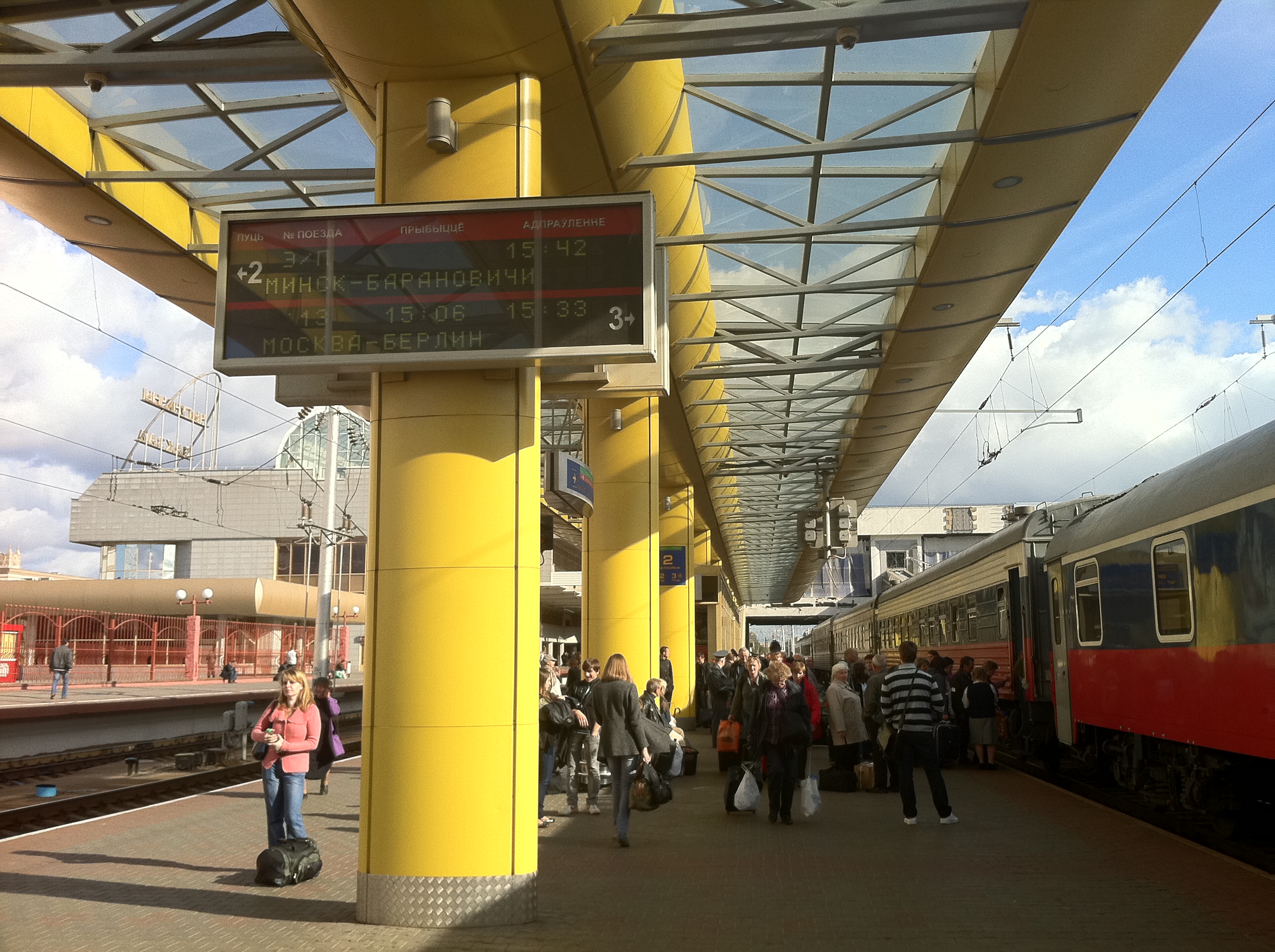
What sustained travel gradually revealed is that civilizations emerge through continuous interaction between geography, resources, political organization, historical memory, and technological adaptation. Environmental conditions matter deeply, but so do systems of power, culture, and collective adaptation. Markets in Southeast Asia, rail networks in Japan, resource economies in Canada, post-industrial regions in Europe, or frontier settlements in Siberia all demonstrate variations of the same human project: organizing life under constraints.
Geopolitics, viewed from this perspective, ceases to be abstract competition between states. It becomes the interaction of societies attempting to secure stability, dignity, and continuity. Direct observation complicates simplified narratives. No region fits easily into external categories of success or failure. Everywhere, adaptation is ongoing.
The Emergence of an Analytical Practice
Translating institutional documents for Canadian federal organizations provides a parallel education: exposure to how governments think, write, and make decisions. Translation required precision; analysis required synthesis.
At the same time, my professional interest in research, institutional writing, and analytical reflection increased to explore geopolitics, resource systems, technological transformation, and Canada's evolving position within a changing global order. Travel supplies empirical intuition. Institutional work supplies methodological discipline. Together, they form the basis of an analytical voice grounded not only in reading but in lived comparison across societies.
Canada as Intellectual Anchor
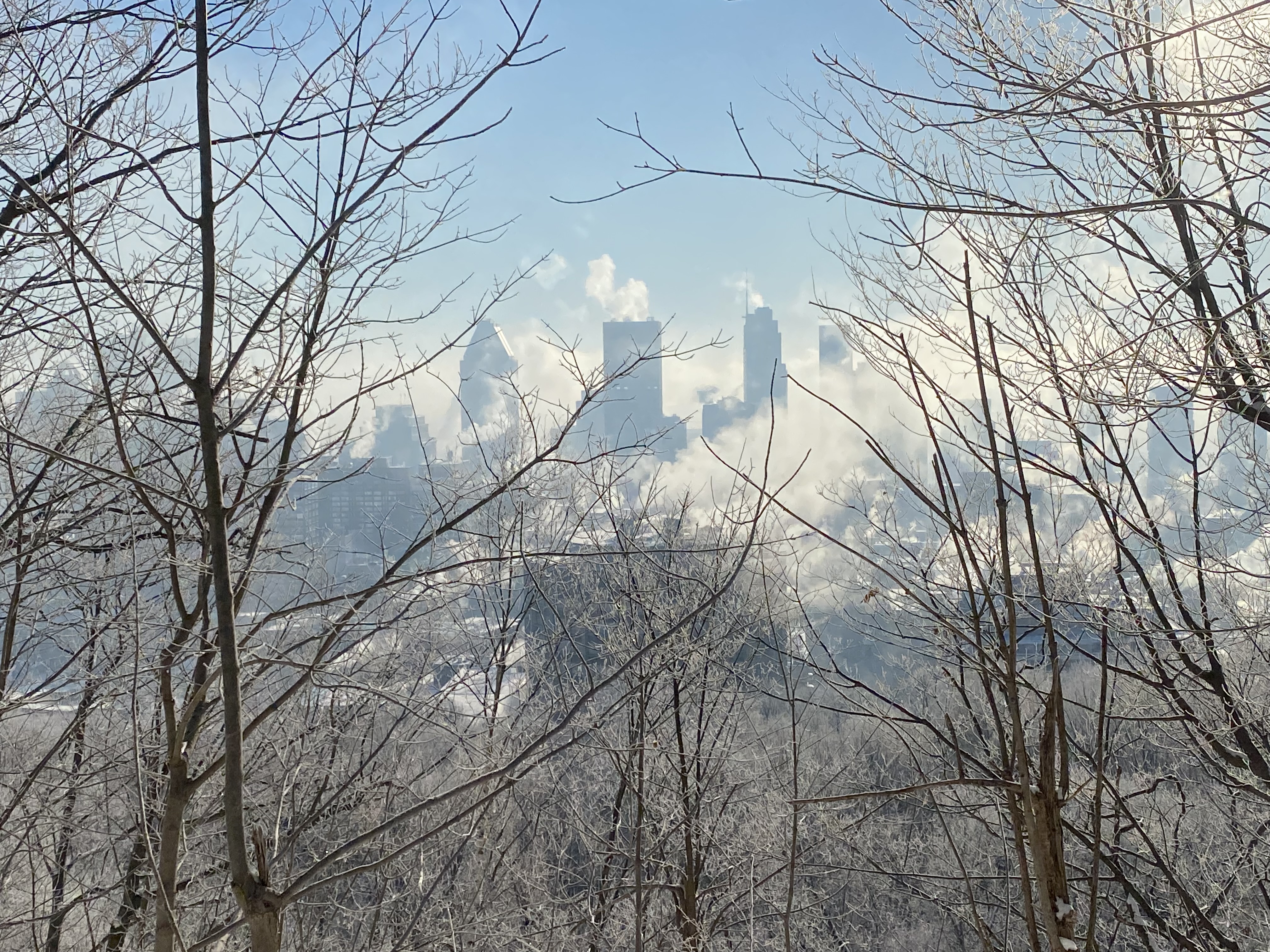
After decades of international movement and observation, Canada remains the intellectual anchor of this trajectory. The country represents an ongoing experiment: balancing vast geography, resource wealth, immigration, Indigenous realities, and global integration while maintaining democratic stability.
Becoming Canadian has been experienced less as a final destination than as participation in an ongoing collective civic project. The coexistence of multiple identities within a functioning institutional framework continues to inform both professional analysis and personal gratitude. In a world increasingly defined by fragmentation, Canada demonstrates that diversity can be administratively organized rather than merely celebrated rhetorically.
Continuing the Work
Travel today serves a different purpose than in youth. It is no longer exploration for its own sake but an extension of research. Observation, mapping, and analysis now converge into a single practice: attempting to understand how humanity inhabits Earth—how civilizations adapt to technological change, environmental constraints, and shifting geopolitical structures.
The goal is not expertise over places but attentiveness to patterns. The planet remains the central subject: its landscapes, its cultures, its institutions, and the extraordinary diversity of human attempts to live together upon it.
The journey continues not only toward new destinations, but toward clearer understanding.